
When large companies attempt to commercialize early-stage technologies, they often recoil at what feels like speculation. They see uncertain markets, unproven science, and unpredictable timelines — and instinctively categorize such efforts as “too risky.” Yet speculation is not the opposite of innovation; it is its very essence. The real challenge for established organizations is not to eliminate risk, but to learn how to manage it productively.
A common trap is that companies begin by asking whether an idea is business viable — Will it make money? What’s the ROI? — before they have established whether it is market desirable. The first and most important question should be a different one.
Market desirability: do people want it?
Without clear evidence of desirability, any discussion of viability is premature. True innovation begins with understanding the unmet need, not with a business case. When companies focus on what people actually value and why, they uncover insights that shape not only better products but entirely new markets.
True innovation begins with understanding the unmet need — not the business case.
Hardware-driven innovation illustrates this tension especially well. Developing physical products demands capital, patience, and conviction — qualities that often conflict with corporate risk aversion. Yet progress comes only when leaders embrace uncertainty through structured speculation: disciplined exploration that tests desirability through real-world learning and iteration.
Consider a few examples
Tesla
Tesla entered electric vehicles when batteries were costly and charging infrastructure was nonexistent. Instead of starting with financial models, Tesla focused on desirability — building something people wanted to drive — and turned that passion into market momentum.
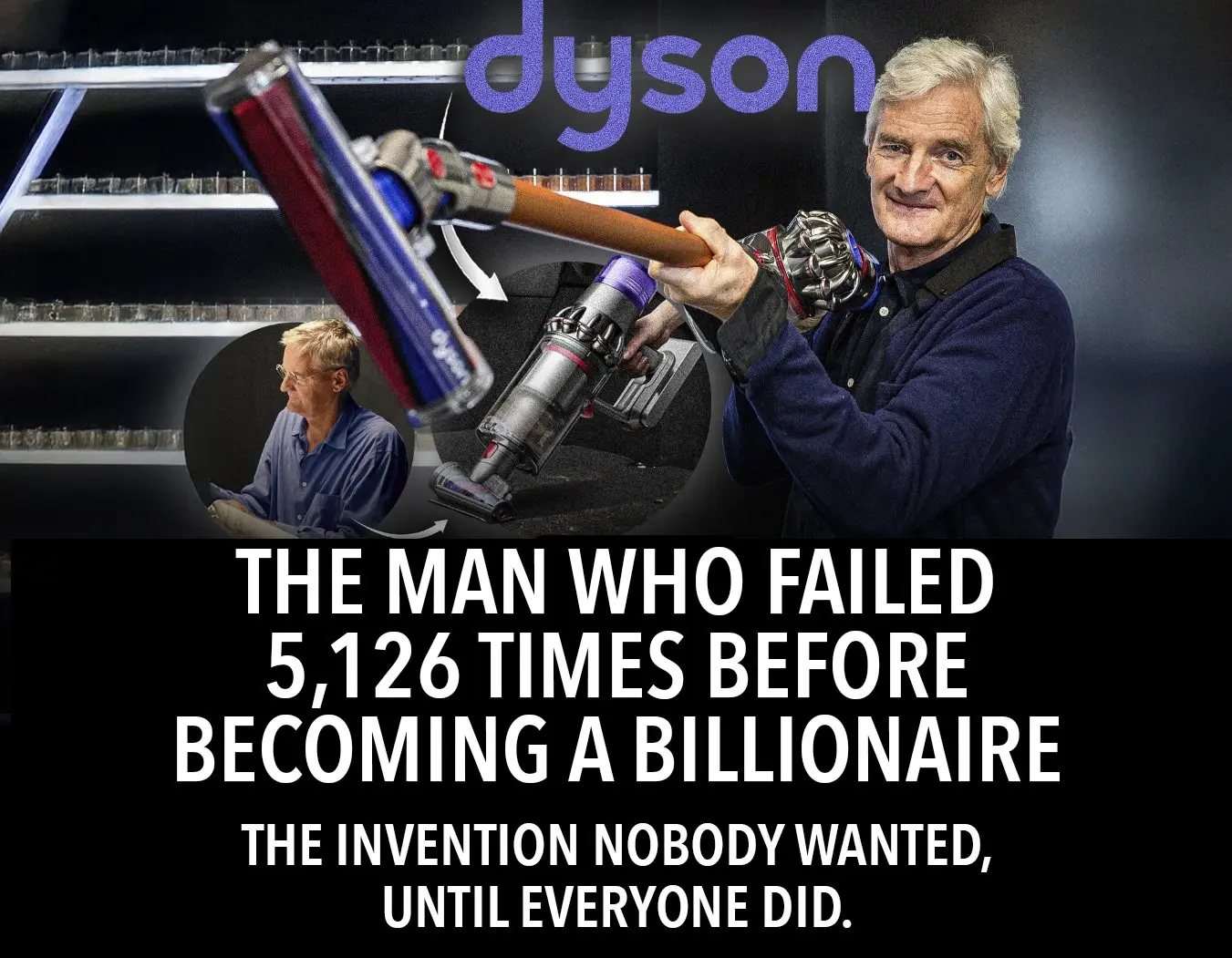
Dyson
Dyson spent years refining digital motors and airflow systems, betting that consumers would pay for superior design and performance. That commitment to desirability created an entirely new premium category.

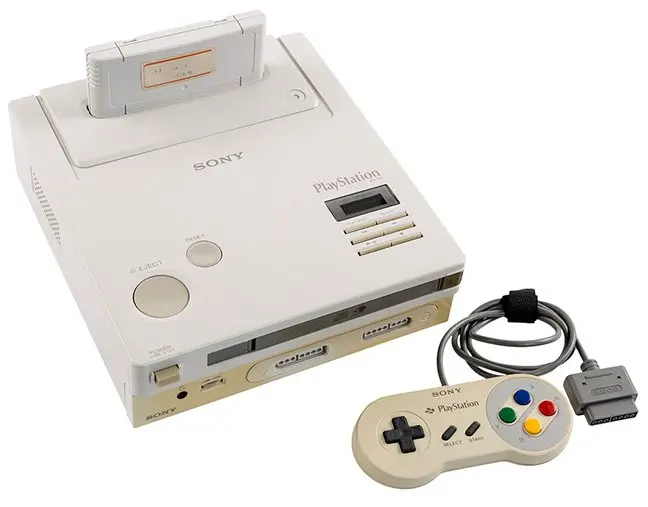
Sony
Sony’s Walkman and later the PlayStation were speculative experiments in how people might want to experience sound and play. Both became cultural phenomena, not because of early certainty, but because Sony was willing to test what others dismissed as improbable.

The lesson is clear: innovation and speculation are inseparable.

The most successful organizations don’t try to predict the future — they learn their way into it. They start with “Do people want it?” and let everything else follow.
Innovation begins where certainty ends. To fear speculation is to misunderstand its purpose. It’s not reckless risk-taking, but disciplined learning in pursuit of tomorrow’s opportunity.
Get a complimentary innovation assessment
We’ll help you align your internal teams around the advance, the need, and the goal.
Let’s Connect→