
The world is littered with extraordinary inventions that never made it. Brilliant ideas. Impressive prototypes. Deep technology breakthroughs. And yet they failed to reach real-world impact. Why?
There are many reasons innovations stall out, but time and again two core issues sit at the heart of the problem. First, misunderstanding the alternatives — what is already out there? And second, misunderstanding the technology’s true superpowers and limitations.

A robot that could climb a wall
Let me share a story that brings this to life. A few years ago the U.S. Department of Defense launched the Z-Man Project. The goal wasn’t to equip soldiers with wall-climbing gloves like in superhero movies. It was to develop robots capable of scaling vertical surfaces — glass, concrete and more — without ropes or ladders. They turned to leading research institutions across the U.S., including Georgia Tech, MIT and Carnegie Mellon. Each took a different approach: friction, air suction, gecko-inspired adhesives. Our team at SRI focused on a lesser-known concept called electroadhesion.
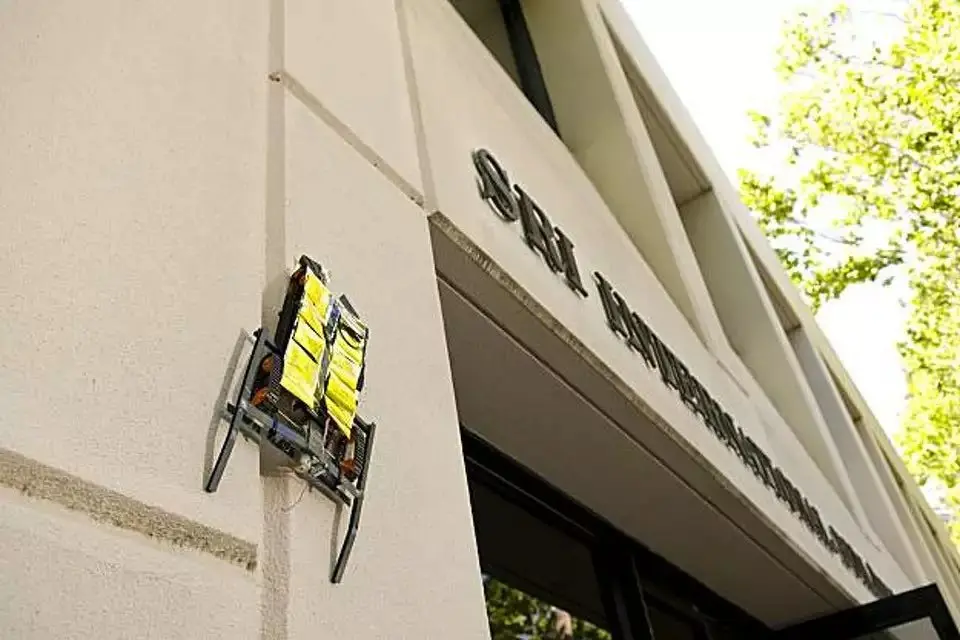
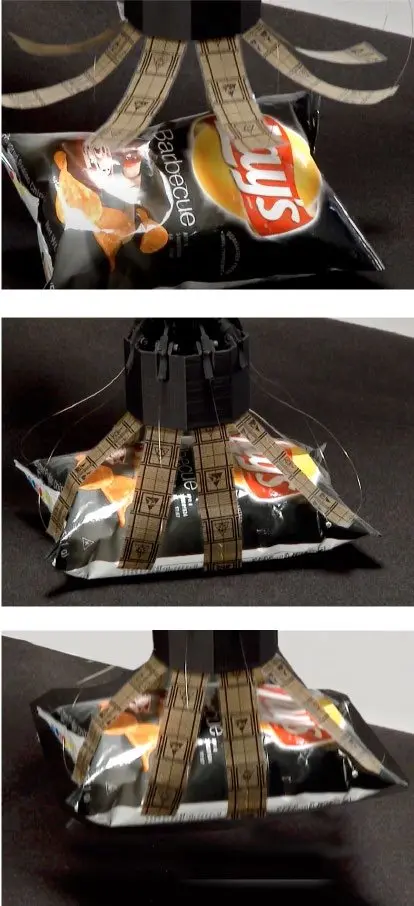
Electroadhesion is a simple but powerful idea, similar to rubbing a balloon on your hair and watching it stick to a wall. We engineered it into a controllable, scalable film. Apply a small voltage and the material sticks to almost any surface; remove the voltage and it releases. It was lightweight, energy-efficient, and surprisingly strong — capable of holding about one pound per inch of material.
The alternatives are your real competition
When a team identifies a promising market need, they often assume the problem is unsolved. But most problems already have solutions, even if those solutions are outdated, inefficient or inelegant. These are the existing alternatives, and they are your real competition. The mistake is thinking those alternatives are always direct competitors. In reality they may be completely different approaches, or legacy systems customers have simply grown used to. To replace them, your solution has to be significantly better — often ten times better.
Introducing a new product into a new market is by far the riskiest strategy.
Superpowers, and limits
Too often, innovators focus on what their technology could do rather than what it uniquely does best. They skip past the hard work of clearly defining its superpowers. Is it cheaper? Lighter? Quieter? More energy-efficient? Can it go where nothing else can? And just as important — what can’t it do? A deep understanding of both strengths and constraints is critical to making sound application choices.
Window cleaning looked obvious
With a demo-ready robot climbing smooth walls, the next question was: what now? The most obvious answer was commercial window cleaning. High-rise buildings, dangerous work, a need for automation — it all seemed to fit. But the deeper we looked, the less viable it seemed. The market was fragmented, price-sensitive, and already served by cheaper, more mature solutions: namely drones. Drones could already do the job, more or less, and were widely accepted in building inspection and light maintenance. The drone industry had been advancing for years, so costs were lower, risk was lower, and the technology was already built into service models.
Electroadhesion also had limitations. It worked best on clean, dry surfaces. Wet glass, dirt or high winds could introduce shear forces that caused the adhesion to fail — a critical problem when you are thirty stories up. And even if failure was rare, the thought of a robot falling off a skyscraper and injuring someone made the liability profile unacceptable for most commercial property managers. For these reasons and others, the wall-climbing robot was not adopted for that market.
Where the superpowers were actually valuable
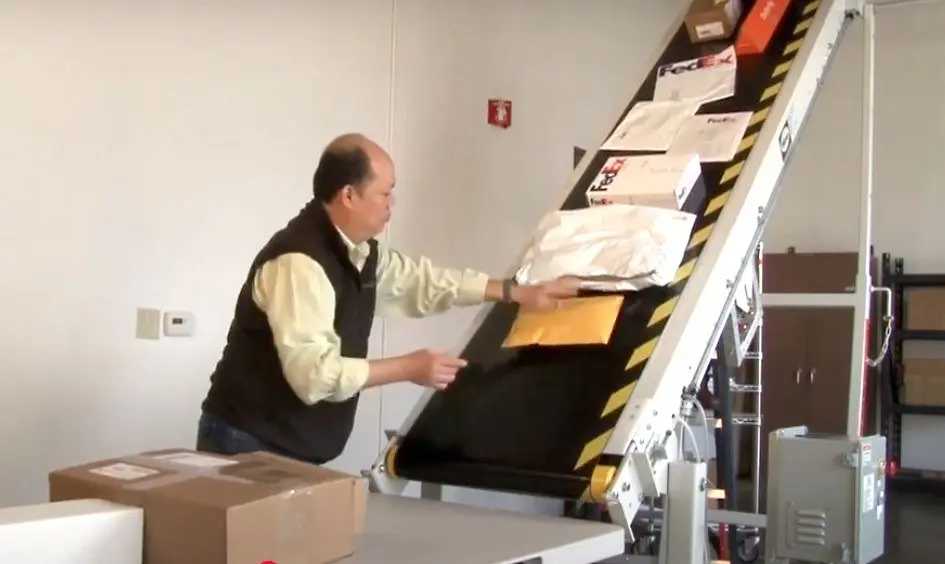
But we didn’t want to give up. We believed in the material’s potential, so we went back to the core question: where are its superpowers truly valuable? The answer wasn’t on the side of a building. It was in two very different places — next-generation vacuum cleaners and conveyor belts.
In the vacuum cleaner, the electroadhesive material eliminated the need for noisy, heavy motors, creating a quiet, compact, energy-efficient device suited to hospitals, offices and the home, where silence and mobility matter. In logistics, we applied the material to conveyor systems: packages could stick to the belt more securely, allowing faster speeds and steeper inclines, using one tenth the energy of traditional suction and reducing mechanical wear. In both cases the technology stayed the same. The application changed.
Too often, innovators focus on what their technology could do, rather than what it uniquely does best.
Why the Newton never broke through
This isn’t a unique story. Think of the Apple Newton, an ambitious, ahead-of-its-time personal digital assistant. It promised to revolutionize how people organized their lives, with handwriting recognition, digital notes and portable computing. But it was bulky, expensive and error-prone, while notebooks, calendars and later the PalmPilot did the job better and cheaper. The Newton wasn’t ten times better. It was clunkier and less reliable, and so it never broke through to the mass market.
This is the reality of market adoption: customers don’t buy new technology because it’s new. They buy it because it clearly helps them make money, save money, gain a competitive advantage, or avoid risk. And when you are asking them to adopt something unfamiliar, unproven, or disruptive to their current process, the benefit needs to be greater still, because the adoption risk is higher.
“Nice to have” isn’t enough. For something new to replace the status quo, it must be dramatically better, not just incrementally different.
So why do great innovations fail? Often it’s because teams never fully explored what was already out there, or never clearly defined what their technology could actually do better. Innovation is about creativity, yes — but also about discipline. It’s about stepping back, seeing the full landscape, and asking the right questions before building the wrong thing. Because great inventions don’t change the world until they find the place where they truly matter.
Get a complimentary innovation assessment
We’ll help you align your internal teams around the advance, the need, and the goal.
Let’s Connect→